
Inside KitchenomiKs: how an Omani food startup is quietly rebuilding the cloud kitchen model
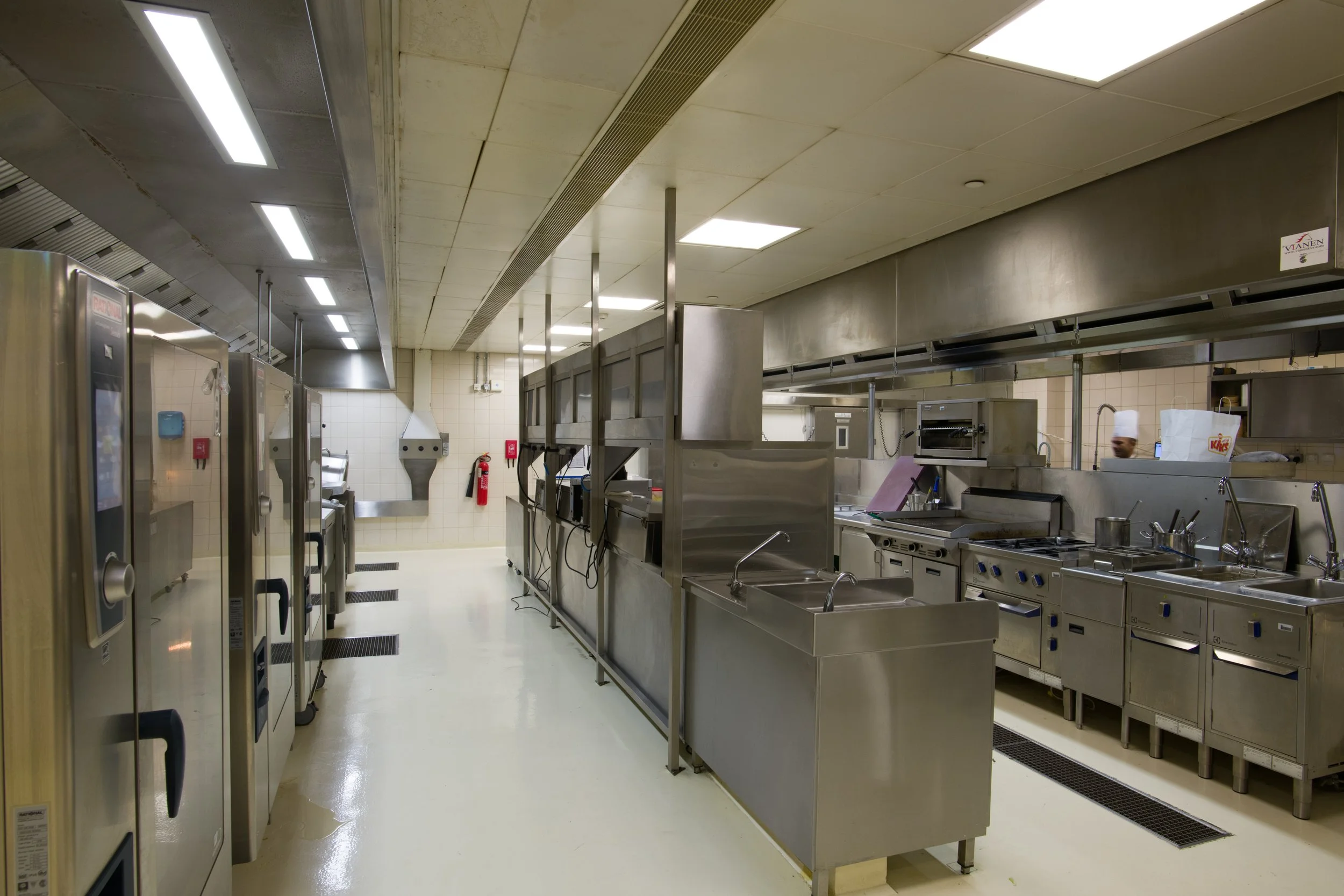
On the outskirts of Muscat, behind industrial doors and stainless-steel walls, KitchenomiKs does not look like the future of food. It looks like work. There are no neon brand signs here, no influencer-friendly plating and no flashiness that has come to be associated with foodtech startups.
What you see instead are long production lines, temperature-controlled storage, monitored fryers, industrial ovens, and dashboards quietly logging thousands of decisions most restaurant customers never think about. How long does food sit before pickup? What happens if a fridge fails at three in the morning? Which menu items do people actually reorder on a Tuesday?
This is not accidental. KitchenomiKs was built as a reaction against how fragile the restaurant business really is.
When the restaurant instinct stopped working
Aankush Bhatia, the company’s founder and CEO, spent years opening and operating traditional restaurants across India and Oman. Like most operators, he believed in location, interiors, menu, and experience. If the food was good and the space felt right, customers would come.
Then COVID broke that belief.
“Overnight, even well-performing restaurants collapsed because the entire model was dependent on people walking through the door,” Bhatia says. “What that moment created wasn’t just a delivery boom. It created data — something the restaurant industry had largely operated without.” That shift forced a reckoning far beyond Oman.
The global cloud kitchen experiment
As delivery surged globally, cloud kitchens emerged as a structural response to the same pressures everywhere: rising rents, underutilised dining rooms, and restaurant formats built for peak hours that rarely materialised. Removing the front of house reduced fixed costs and made experimentation faster.
Different markets experimented in different ways. In India, companies like Rebel Foods built large portfolios of delivery-first brands optimised for frequency and menu efficiency. In China, Meituan-backed kitchen networks treated food production like logistics, focusing on throughput and proximity. In Europe, delivery kitchens clustered tightly around dense urban demand.
In the US, the model attracted heavier capital and more ambitious infrastructure bets. CloudKitchens, backed by Founder and former Uber CEO Travis Kalanick, initially positioned itself as a fast-moving real-estate play. Over time, it has shifted into something quieter and more deliberate - fewer public claims, greater focus on utilisation, long-term leases, and operational control.
Elsewhere, platforms themselves adjusted course. Zomato exited its cloud kitchen infrastructure arm after discovering that owning kitchens did not automatically translate into sustainable margins. Deliveroo repositioned its Editions kitchens as a selective, partner-led model rather than a mass rollout.
The pattern was not collapsing so much as correcting. Early cloud kitchens optimised for speed. Brands were launched quickly. Menus expanded aggressively. Locations were added before demand patterns stabilised. Operational systems often followed expansion rather than preceding it.
Building KitchenomiKs after the lessons were visible
KitchenomiKs entered the market after those lessons were already clear. “The restaurant industry is overwhelmingly driven by emotion and intuition,” Bhatia says.
“People open restaurants because they love food, not because they understand demand deeply enough. Once you’ve invested heavily, it becomes hard to change.” Delivery, used carefully, offered a way to test behaviour before capital was locked in - if the data was actually used.
KitchenomiKs built its model around that idea. Brands were designed around routines rather than novelty. Pricing was calibrated for frequency, not indulgence. The company deliberately positioned itself in the mid-market - affordable enough to become habitual, disciplined enough to protect margins.
Unlike many delivery-only operators, KitchenomiKs never aimed to be invisible. Every location has some form of consumer-facing presence: satellite kitchens, grab-and-go formats, food courts, or enterprise-scale F&B operations. Delivery is central, but it is not the whole business.
“Delivery is not an experience,” Bhatia says. “People are still eating at home. What matters is reliability and habit.”
The infrastructure beneath the brands
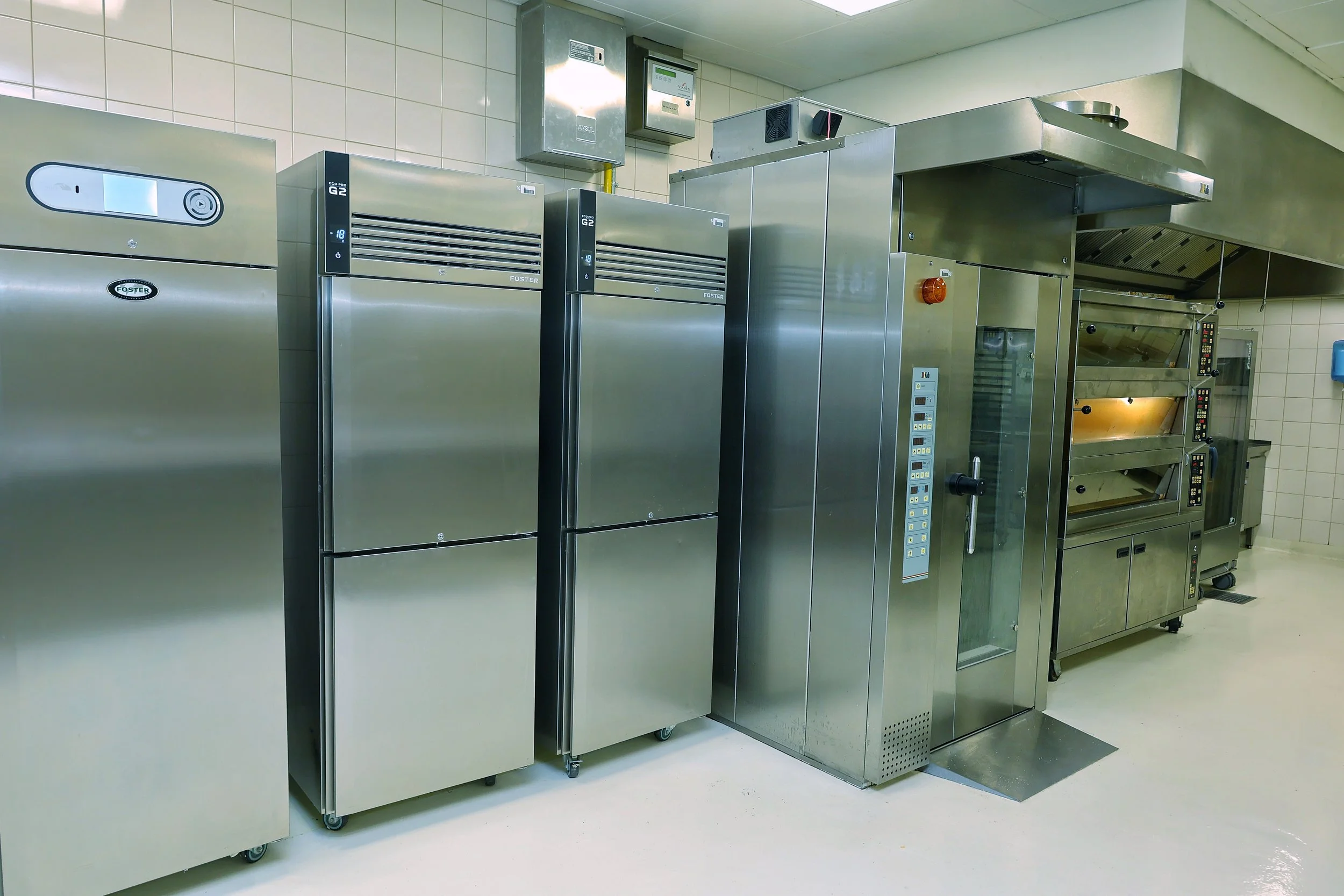
That thinking shows up most clearly behind the scenes. KitchenomiKs’ 30,000-plus square-foot central kitchen in Muscat operates more like a food factory than a restaurant. Equipment is monitored in real time. Walk-in fridges, freezers, and fryers trigger automated alerts. SOPs and hygiene checks live on dashboards rather than clipboards.
On top of the physical layer sits KiKsIQ, the company’s proprietary operating platform, and a growing first-party data warehouse. Rather than relying solely on aggregator dashboards, KitchenomiKs tracks behaviour across brands, locations, and time - feeding those insights into pricing, staffing, procurement, and production planning.
The company is now adding predictive layers to forecast demand and refine CRM, and has rolled out nutrition and allergen transparency across its ecosystem. The goal is not to market “healthy food”, but to remove opacity in an industry that has long relied on it.
Why capital follows discipline
By late 2025, that approach had translated into scale: more than one million meals delivered across Muscat, 13 proprietary brands, and enterprise-scale food operations running alongside delivery.
It also shaped how capital came in. In October 2025, KitchenomiKs raised $3.2 million in a round led by Jasoor Ventures, bringing total capital raised to $6.7 million. The funding was not framed around rapid geographic expansion, but around density, systems, and technology.
“Food proximity, customer preferences, and data play a more critical role than ever in shaping the future of how food is prepared and delivered,” said Moosa Al Raeesi of Jasoor Ventures at the time, language that reflects where investor thinking in foodtech has shifted.
After years of capital-heavy experimentation, investors are backing infrastructure, predictability, and operational control. Growth is still expected — but it is expected to be earned.
What KitchenomiKs represents now
KitchenomiKs is not positioned against cloud kitchens. It is operating in what comes after their experimental phase, when food delivery stops behaving like a startup category and starts behaving like infrastructure.
The future of food is unlikely to be built by apps alone. It will be built by companies that understand behaviour deeply, treat kitchens as systems, and remove guesswork from an industry long defined by it.
KitchenomiKs looks less like a startup chasing attention and more like one designed to endure.